




Choosing your first hunting rifle can feel overwhelming, especially with so many options like semi-auto hunting rifles available. However, it doesn’t have to be a stressful experience. With the right guidance, you can find a rifle that fits your needs, skill level, and budget. Let’s break it down step by step, so you can feel confident in your choice.
Understand Your Needs
Before diving into the world of hunting rifles, take a moment to consider what you need. Are you looking to hunt deer, small game, or maybe something else? The type of game you plan to pursue will significantly influence your rifle selection. For instance, larger game like deer typically requires a heavier caliber than smaller animals like rabbits or squirrels.
Fit Matters
One of the most crucial aspects of choosing a rifle is fit. A rifle that feels comfortable in your hands will help improve your accuracy and overall enjoyment while hunting. Here are a few things to keep in mind regarding fit:
- Length of Pull: This is the distance from the trigger to the end of the stock. A proper length of pull ensures you can comfortably reach the trigger while maintaining a good shooting posture.
- Weight: If you’re going to be hiking long distances, a lighter rifle can make a big difference. Conversely, a heavier rifle can help reduce recoil but may be tiring to carry.
- Stock Design: Stocks come in various shapes and sizes. Some are designed for bench shooting, while others are more suited for field conditions. Make sure to try different styles to find one that feels right for you.
Types of Actions
Rifles come with different action types, each having its advantages and disadvantages. Understanding these will help you decide which suits your style best:
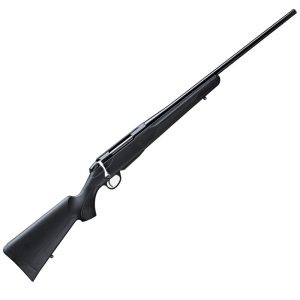
- Bolt Action Rifles: These are popular for their reliability and accuracy. You manually operate the bolt to load a new round, which can slow down follow-up shots but offers precision shooting. They are available in various calibers, making them suitable for many types of game.
- Lever Action Rifles: Known for their quick follow-up shots, lever-action rifles are excellent for hunting in dense brush where you might need to take several shots quickly. They often have a classic look and feel.
- Semi-Automatic Rifles: These rifles automatically load a new round after firing, allowing for faster follow-up shots. However, they can be heavier and more complex than other types.
- Single Shot Rifles: While not as common for beginners, single-shot rifles are simple and can teach good shooting discipline since you have to reload after each shot.
Choose the Right Caliber
The caliber of your rifle is critical, as it determines the size of the bullet and, consequently, the type of game you can hunt. Here are a few popular options:
- 22 LR: Great for small game and perfect for beginners to practice their shooting skills.
- 243 Win: A versatile caliber that can take down deer and smaller game, making it an excellent choice for new hunters.
- 308 Win: A reliable choice for larger game, offering good accuracy and manageable recoil for beginners.
- 30-06 Springfield: Known for its power, this caliber is suitable for a wide range of big game. However, it may have a bit more recoil, so be sure to test it out first.
When selecting a caliber, consider not just the game you want to hunt, but also your comfort with recoil. A rifle with a caliber too powerful for you can lead to a negative experience, making it important to choose wisely.
Accessories and Gear
Once you’ve selected your rifle, it’s time to consider additional accessories that can enhance your hunting experience. Here are a few essentials:
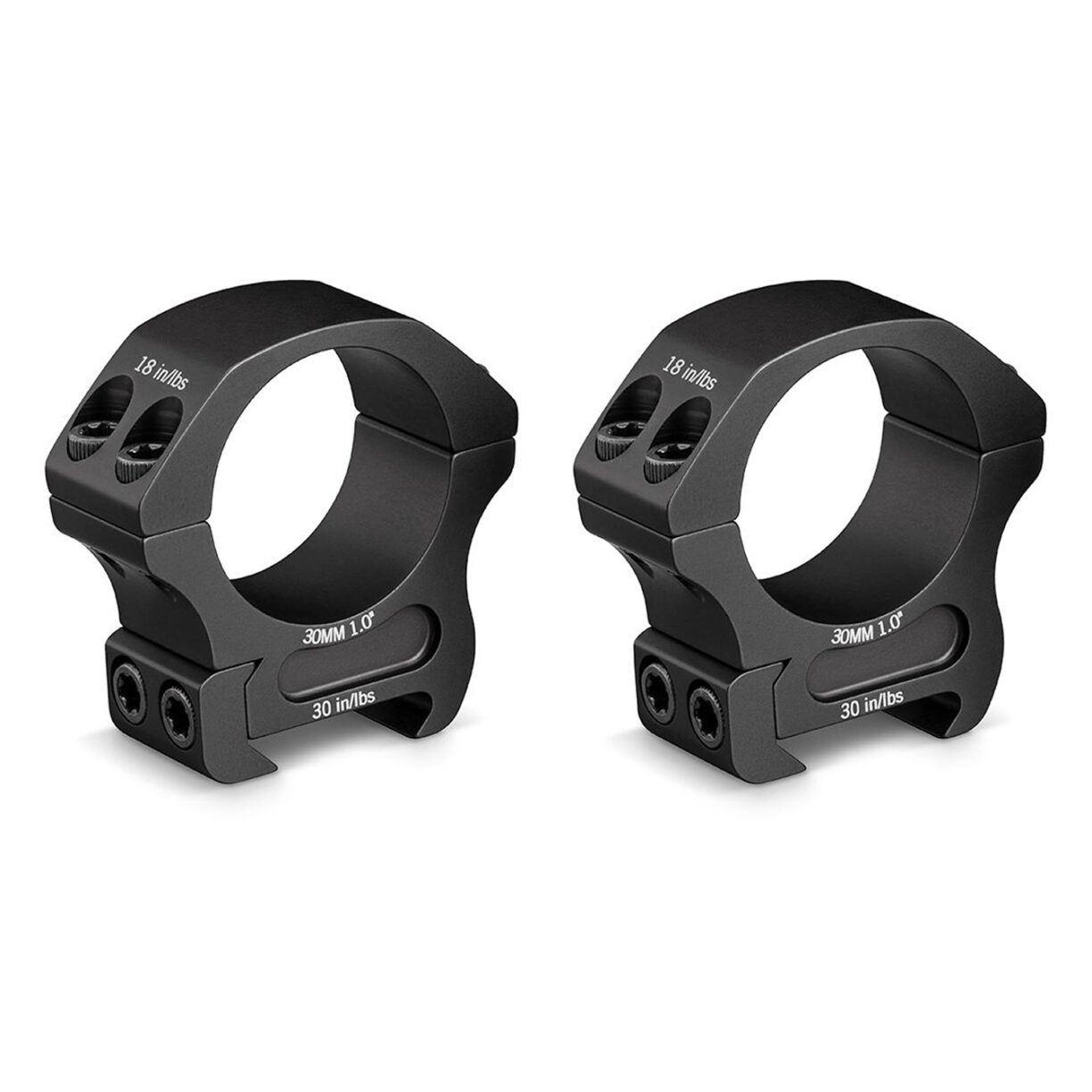
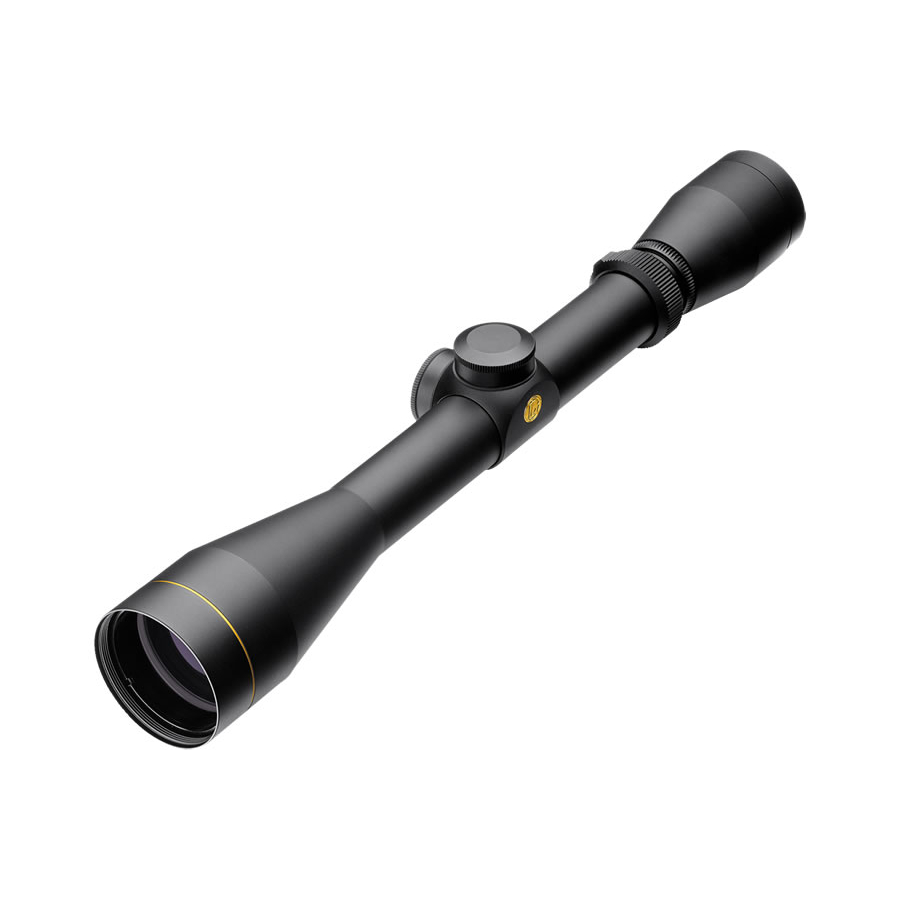
- Scope: If you plan on hunting at longer distances, a good-quality scope will improve your accuracy. Make sure to select a scope that’s compatible with your rifle and suits the type of game you’ll be hunting.
- Sling: A comfortable sling makes it easier to carry your rifle, especially on long treks. Look for one that suits your needs and matches your rifle.
- Cleaning Kit: Keeping your rifle clean is crucial for maintaining its performance. A basic cleaning kit should include brushes, patches, and solvents suitable for your rifle type.
- Safety Gear: Always prioritize safety when handling firearms. Consider wearing safety glasses and hearing protection, especially during practice sessions.
Practice Makes Perfect
Once you have your rifle and accessories, it’s time to hit the range. Familiarize yourself with your new firearm by practicing shooting in various positions. This will help you become comfortable with the rifle’s weight, balance, and recoil. It’s also an excellent opportunity to practice your aim and shooting technique.
Learn Local Regulations
Before heading out for your first hunt, ensure you’re familiar with local hunting regulations. This includes understanding hunting seasons, licensing requirements, and any specific rules regarding the type of rifle you can use. Checking with local wildlife agencies or visiting this source can provide valuable information on hunting laws in your area.
Conclusion
Choosing your first hunting rifle doesn’t have to be a daunting task. By understanding your needs, considering the rifle’s fit and action type, selecting the right caliber, and equipping yourself with the necessary gear, you’ll be well on your way to a successful hunting experience. Don’t forget the importance of practice and staying informed about local regulations.
In summary, your first rifle should be comfortable, reliable, and suited to the game you want to hunt. At Duke’s Sport Shop, we offer a wide selection of rifles, including high-quality bolt-action rifles, to help you find the perfect fit for your hunting needs. Whether you’re looking for something lightweight for small game or a more robust option for larger animals, we’ve got you covered.
If you’re looking for reliable gun shops in Youngstown or nearby areas, be sure to visit Duke’s Sport Shop for expert advice and a hands-on experience with various hunting rifles. Happy hunting!